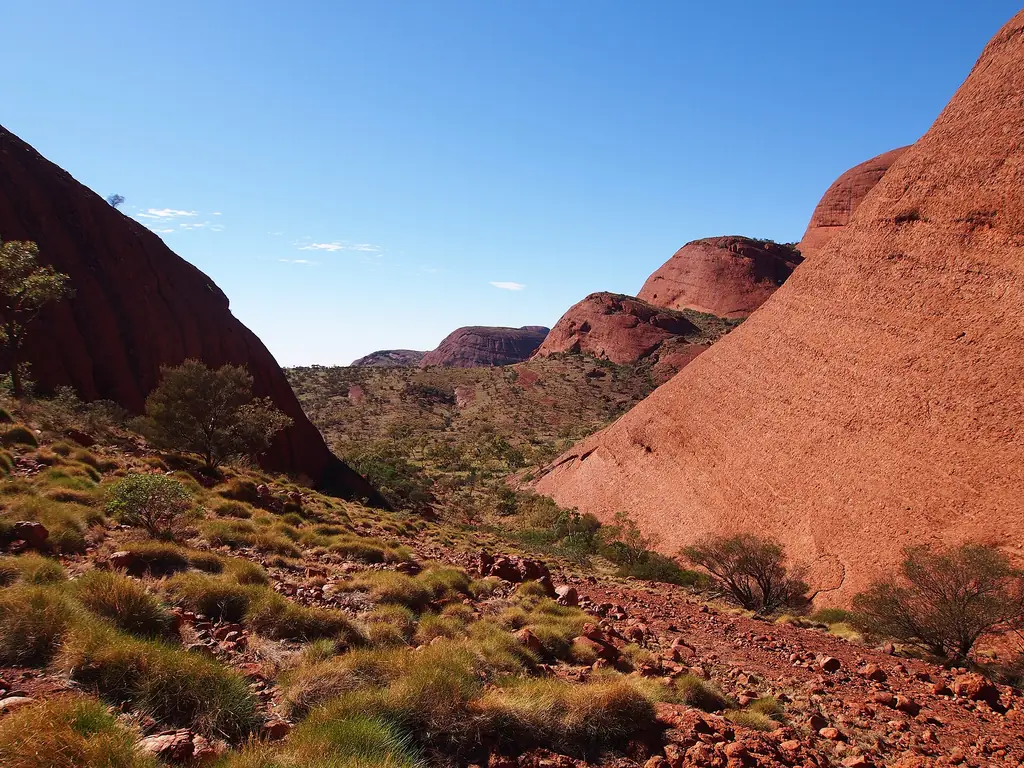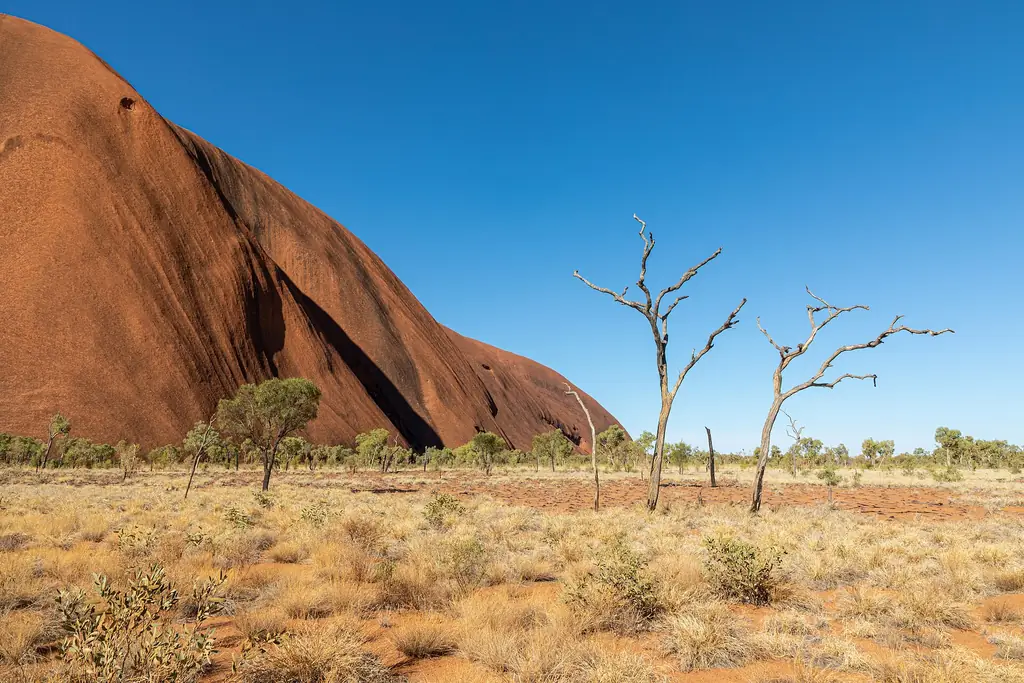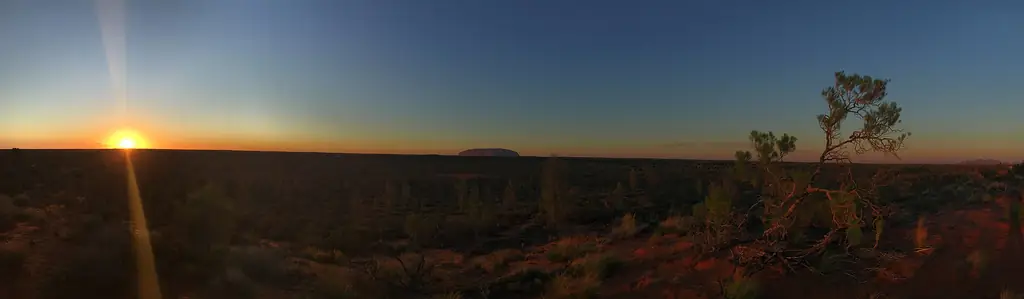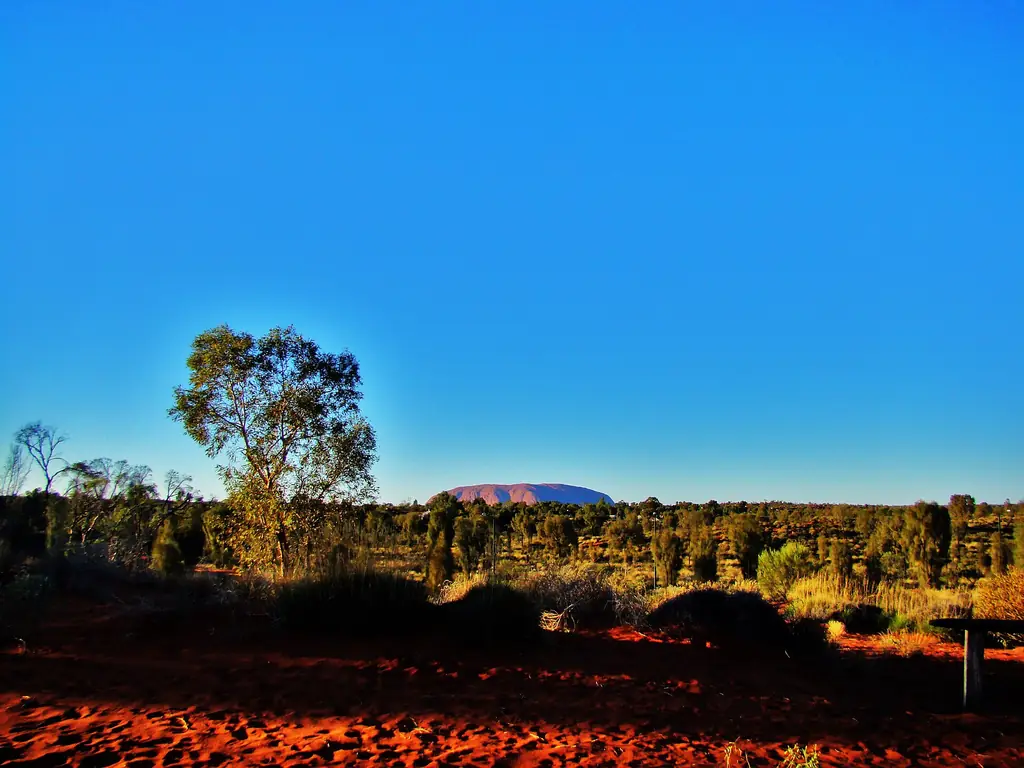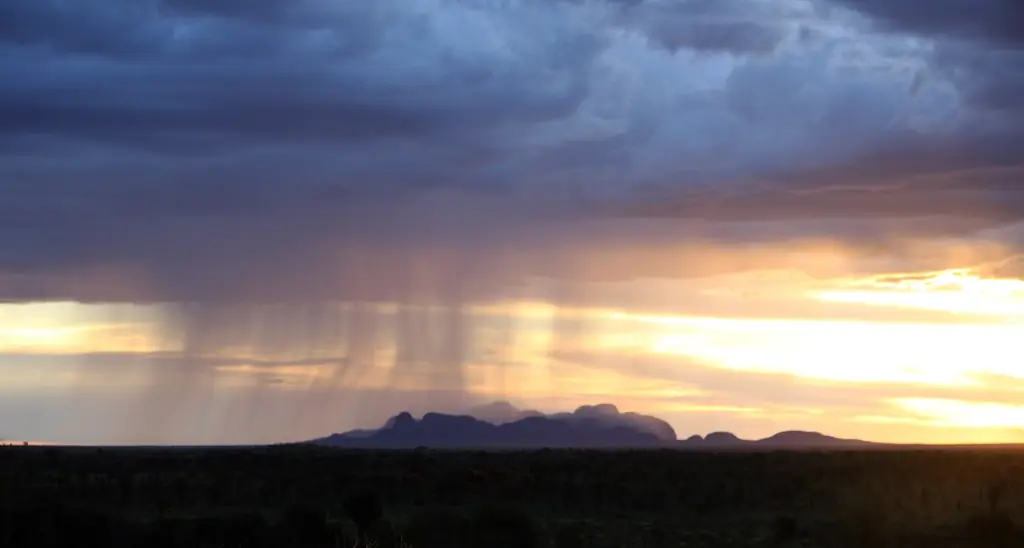
Uluṟu has a hot desert climate. Rain is low and irregular, skies are mostly clear, and temperatures vary widely between day and night.
By season
- Summer: daytime temperatures often exceed 35°C and can reach the 40s. Nights are warm.
- Winter: pleasant days around 20°C, but nights and early mornings can be near or below 0°C.
- Shoulder seasons: generally warm days and cool nights.
Heat rules
Some walks close at 11 am on days forecast at 36°C or above, including sections of the Valley of the Winds and the Base Walk. Check Parks Australia’s updates.
Packing list
- Wide-brimmed hat, sunscreen, sunglasses.
- Fly net in warmer months.
- Large water bottle (at least 2 litres).
- Warm jacket, beanie and gloves for winter sunrises.
- Light rain jacket for summer storms.
Flies
Bush flies are part of the Red Centre experience, especially in warm months. A head net weighs almost nothing and makes walking far more pleasant; they are sold at Yulara if you forget one.
Planning your day around the weather
- Hot days: sunrise activity, rest from late morning, sunset activity.
- Cold days: sunrise is the coldest time, so dress in layers you can shed by mid-morning.
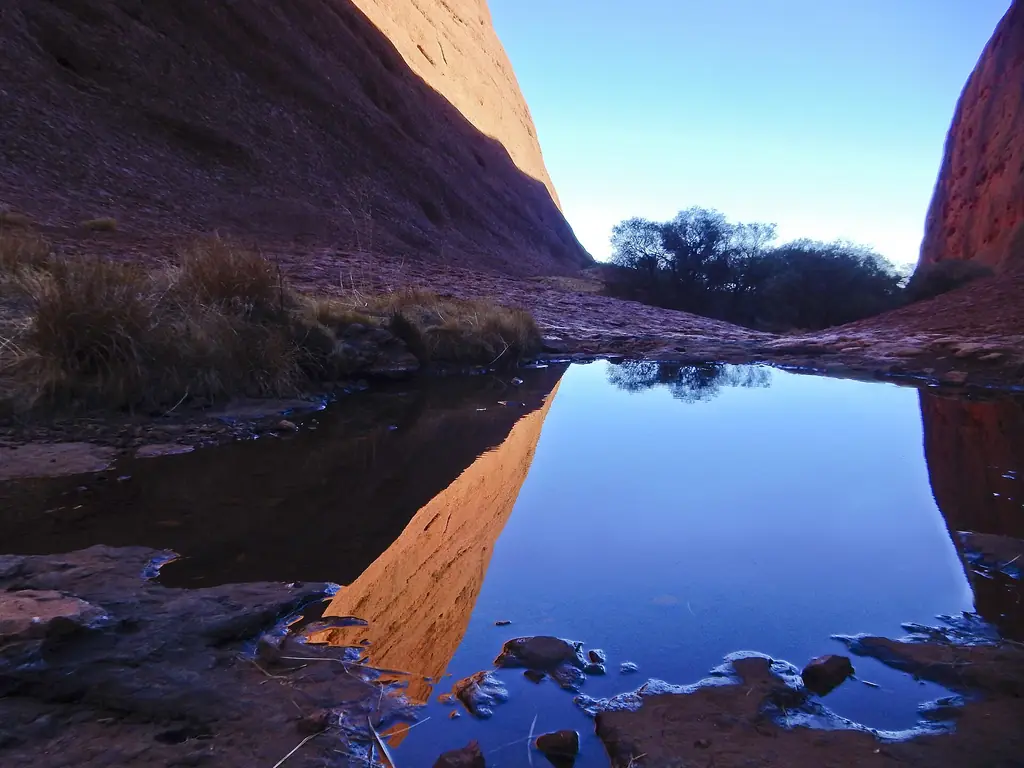
- Rainy days: visit Uluṟu — water cascading down the rock and pooling at Kantju and Mutitjulu is unforgettable. Note that some roads and walks may close during storms.
Check the Bureau of Meteorology forecast and Parks Australia’s park alerts each morning.
Frequently asked questions
Does it get cold at Uluru?
Yes. Winter nights can drop to around freezing.
Does it rain at Uluru?
Rarely, but storms happen, mostly in summer. Waterfalls can form on the rock during heavy rain.
What should I wear at Uluru in winter?
Layers: a warm jacket, beanie and gloves for sunrise, with a light shirt and hat for the warmer middle of the day.
When is the hottest time at Uluru?
December to February, when daytime temperatures often exceed 35°C. Plan walks for dawn.