1. Understand the place
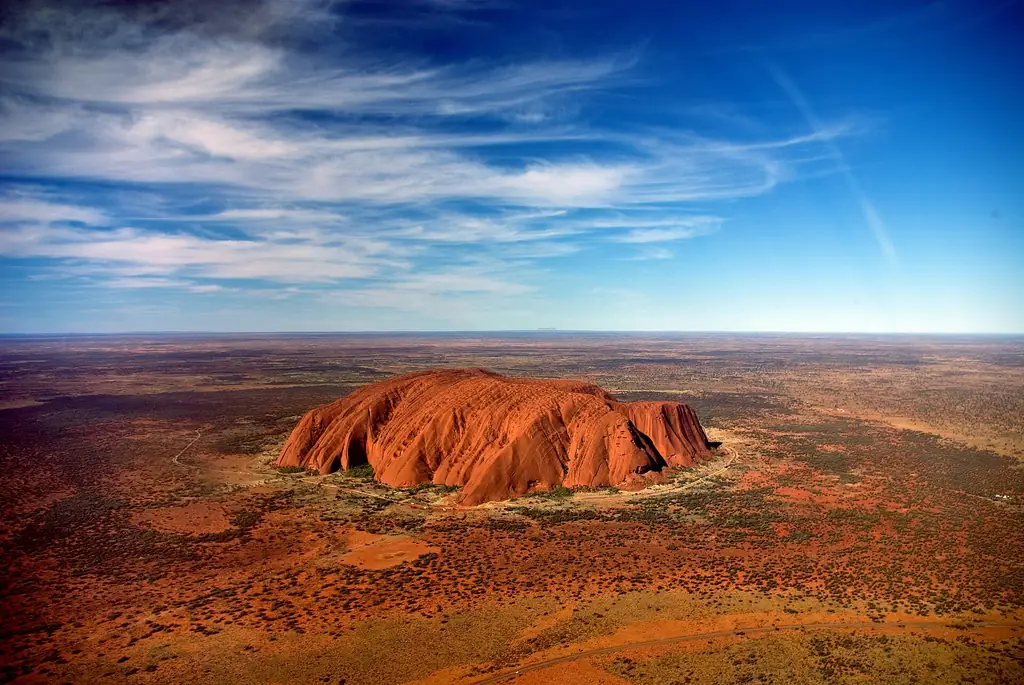
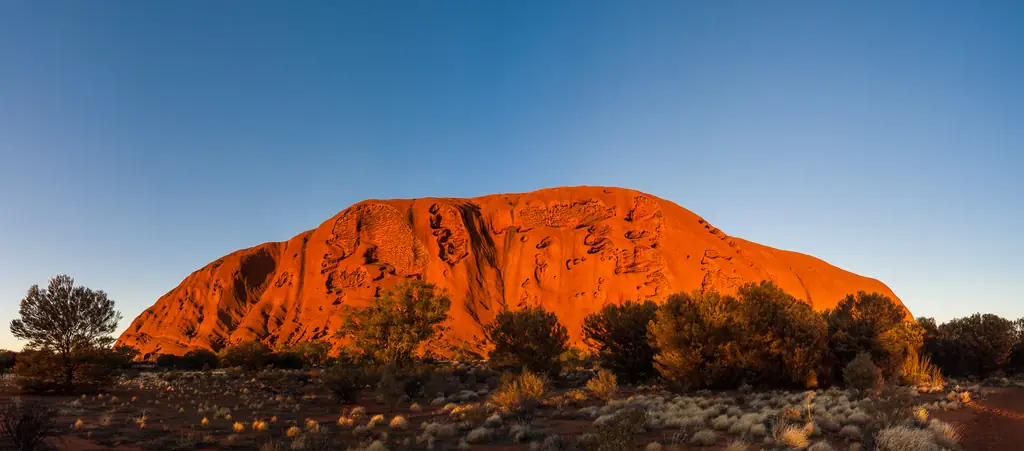
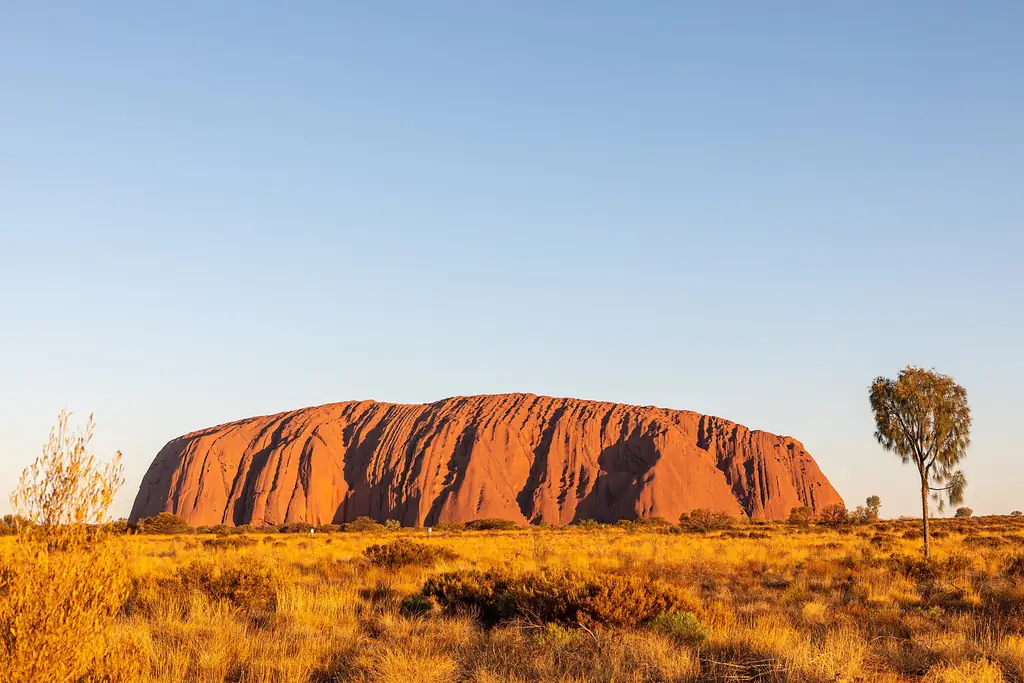
Uluṟu-Kata Tjuṯa National Park covers about 1,326 square kilometres of desert in the Northern Territory. It is inscribed on the World Heritage List for both its natural and its cultural values. The land was handed back to its Aṉangu Traditional Owners on 26 October 1985 and is leased back to the Australian Government and jointly managed with Parks Australia.
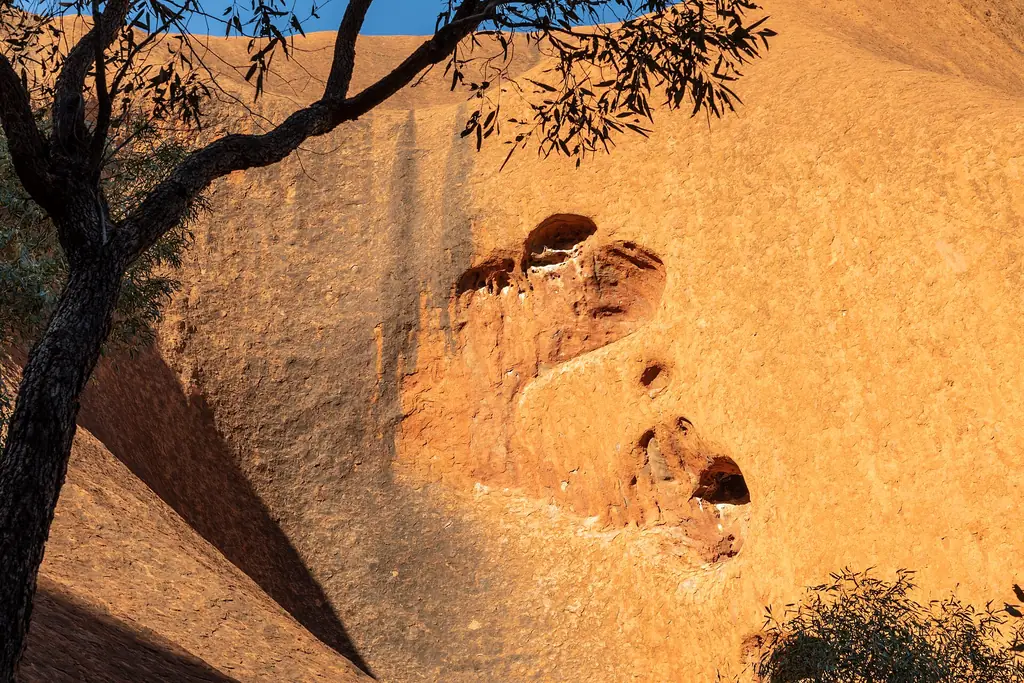
For Aṉangu, Uluṟu and Kata Tjuṯa are physical evidence of Tjukurpa — the ancestral law and stories. Visiting respectfully means following signs about sensitive sites, not photographing places where photography is restricted, staying on marked tracks, and taking nothing away. Start at the Cultural Centre.
2. Get there
There are two realistic approaches:
- Fly to Ayers Rock Airport (AYQ), about 10 minutes’ drive from Yulara. Routes change seasonally, so check current direct services. See flights to Uluru.
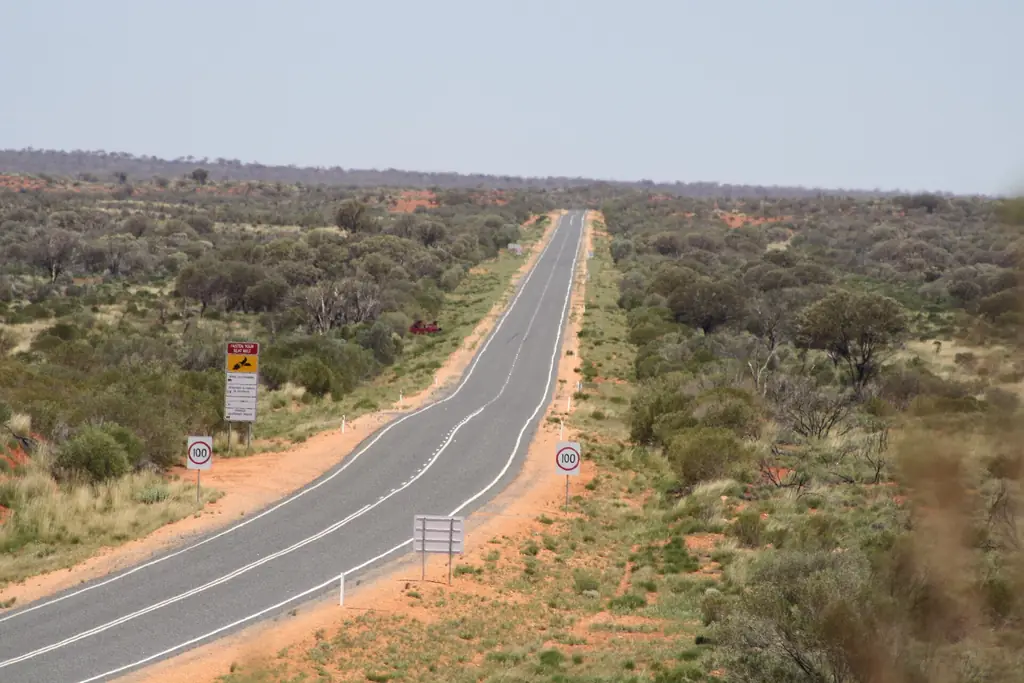
- Travel from Alice Springs, roughly 450 km and around five hours each way by sealed road via the Stuart and Lasseter highways. Self-drive, coach transfer or a tour all work. See Alice Springs to Uluru.
3. Decide how you will get around
Yulara sits about 20 km from Uluṟu and roughly 50 km from Kata Tjuṯa. There is no public bus inside the park. Your choices are a hire car (available at the airport and resort), shuttle services, or tours. If you are not driving, read Uluru without a car.
4. Buy a park pass
A pass is required for everyone aged 18 and over who enters the park; buy online through Parks Australia before you arrive or at the entry station. Opening hours vary by month — the park opens before sunrise and closes after sunset. See park pass and rules.
5. Plan around the light and the heat
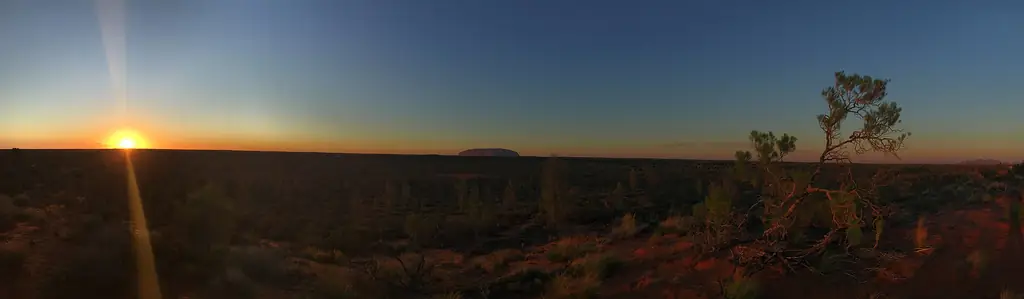
Sunrise and sunset are the anchors of every day. Midday is hot for much of the year, so do walks early and rest in the afternoon. Some walks close in extreme heat — the Valley of the Winds beyond Karu Lookout closes from 11 am when temperatures are forecast at 36°C or above.
6. Choose your walks
- Uluṟu Base Walk — about 10.6 km, flat, 3–4 hours.
- Kuniya Walk to Mutitjulu Waterhole — short and shaded in parts.
- Valley of the Winds — about 7.4 km loop at Kata Tjuṯa, rocky.
- Walpa Gorge — about 2.6 km return.
7. Add an evening experience
The Field of Light is the best-known, but there are also dinner-under-the-stars experiences, astronomy sessions and camel rides at sunset. See things to do.
8. Choose where to stay
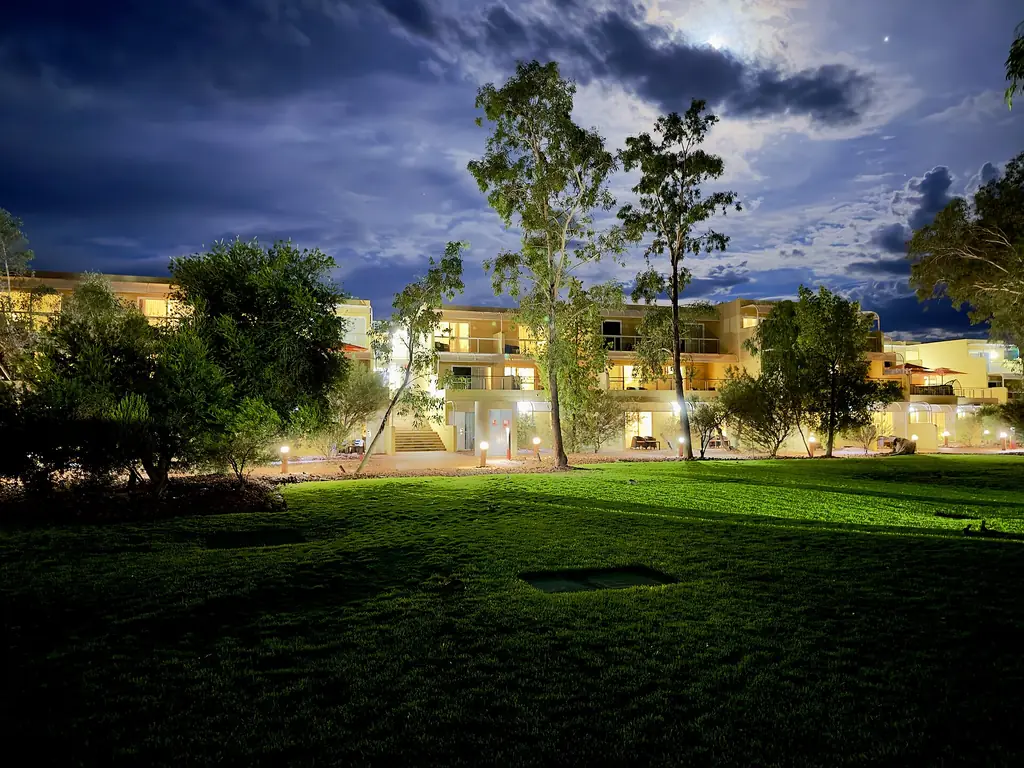
All accommodation is at Yulara and run by the resort operator, ranging from campground sites to a luxury lodge. Book early for the cooler months. See where to stay and camping.
Sample plan
| Day | Morning | Afternoon | Evening |
|---|---|---|---|
| 1 | Arrive, Cultural Centre | Base Walk (part) or rest | Uluṟu sunset |
| 2 | Sunrise + Kata Tjuṯa walk | Rest at Yulara | Field of Light or stargazing |
| 3 | Sunrise + Base Walk | Fly out | — |
For detail, see our 2-day and 3-day itineraries.
What to pack
- A broad-brimmed hat, sunscreen and sunglasses year-round.
- A fly net — bush flies can be intense in warmer months.
- At least 1 litre of water per hour of walking in warm weather.
- Warm layers for winter mornings, when temperatures can drop near freezing.
- Sturdy shoes for Kata Tjuṯa’s rocky tracks.
Related guides
Frequently asked questions
Is Uluru worth visiting?
Yes. Few places combine such a striking landscape with living cultural significance. Seeing the rock at sunrise and sunset and walking Kata Tjuṯa are memorable experiences.
How much time do you need at Uluru?
Two full days covers the essentials; three days lets you walk the full Base Walk and the Valley of the Winds without rushing.
Do I need a car at Uluru?
No. Shuttles and tours from Yulara reach the main sites, but a hire car gives you the most flexibility for sunrise and sunset.
Can you take photos at Uluru?
Yes, in most places, but some sensitive sites have signed photography restrictions. Respect them, and check the commercial filming rules if you plan to publish images.