For Anangu, the Traditional Owners, Uluru was created by ancestral beings during the creation period (Tjukurpa), and its features record their journeys and actions. The Cultural Centre near the rock is the best place to learn this perspective. Geologists tell a complementary story about rock and time, summarised below.
1. Mountains and sediment
Around 550 million years ago, large mountain ranges in what is now Central Australia were eroding. Rivers carried sand and gravel off them into a basin, building up thick alluvial fans.
2. Two kinds of rock
- Uluru formed from coarse, feldspar-rich sand — a sandstone called arkose.
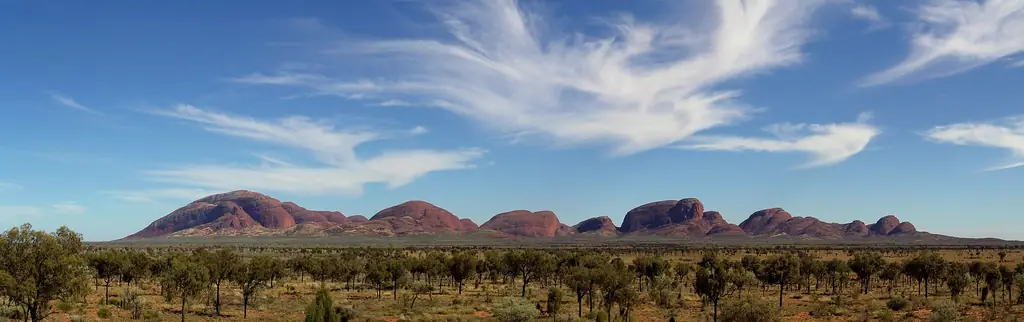
- Kata Tjuta formed from coarser gravel and boulders — a rock called conglomerate.
3. Burial, folding and uplift
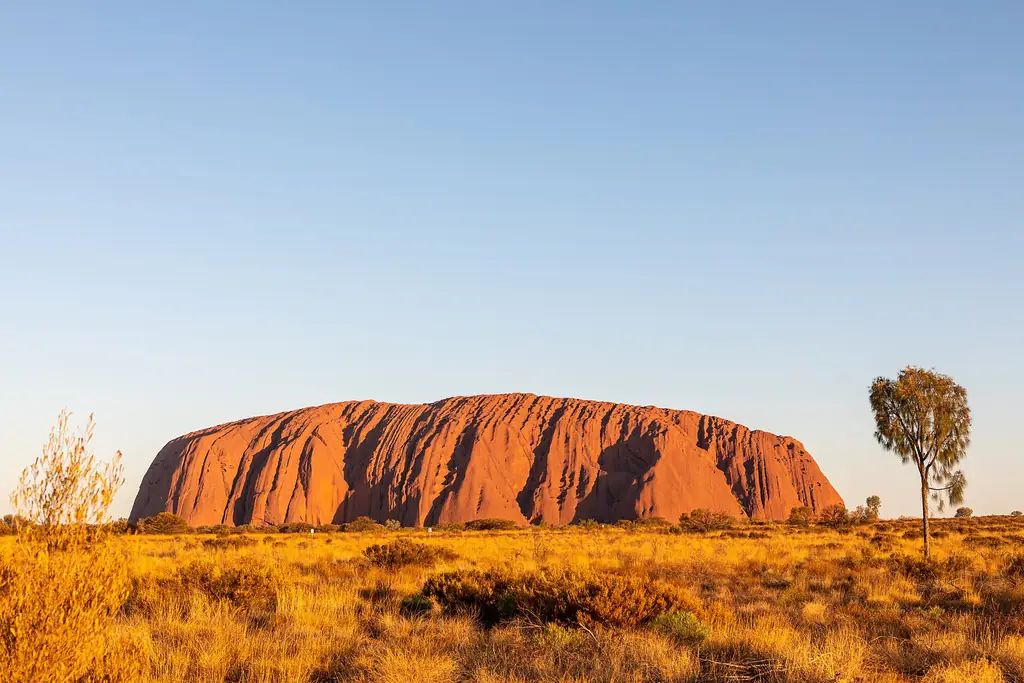
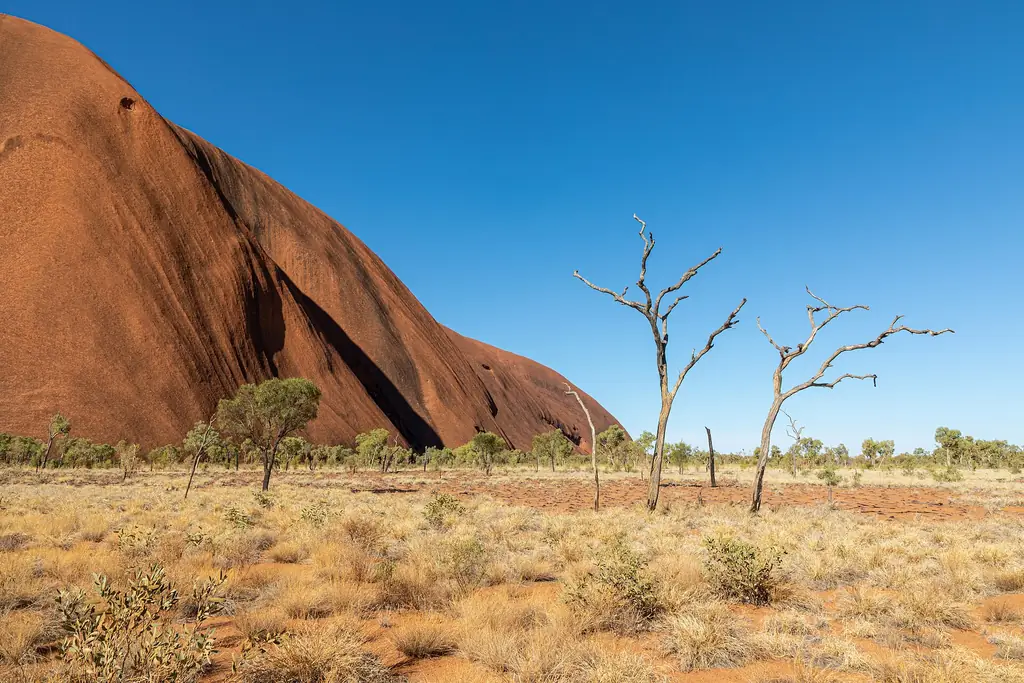
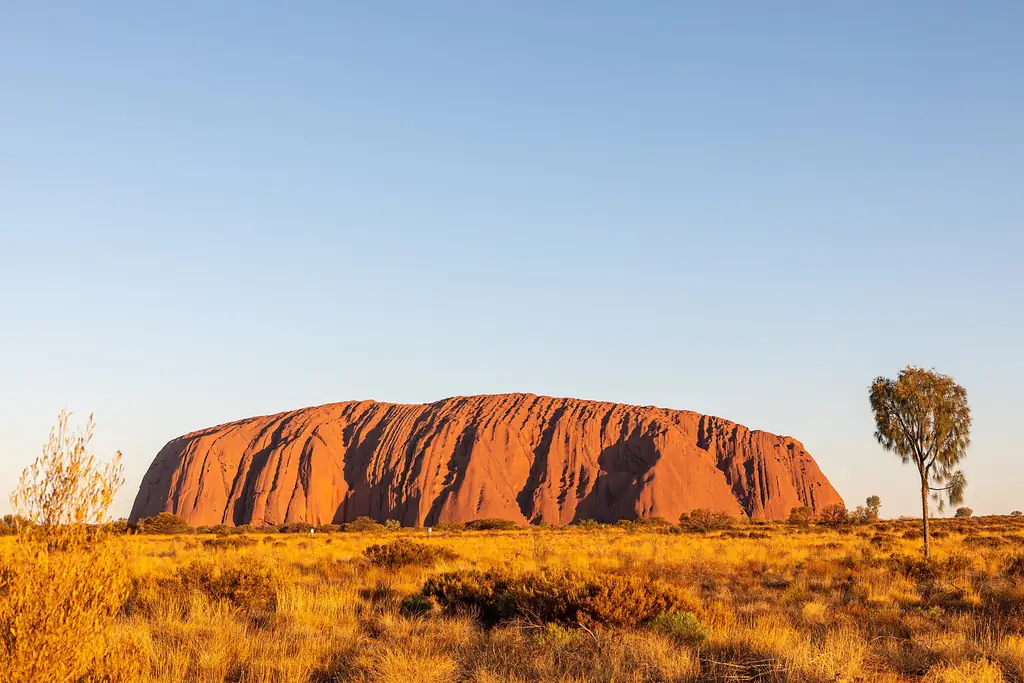
The sediments were buried under a shallow sea and compressed into rock. Later, major mountain-building events folded and tilted the layers. At Uluru, the beds were tilted almost vertical, which is why you can see near-vertical banding on its surface.
4. Erosion
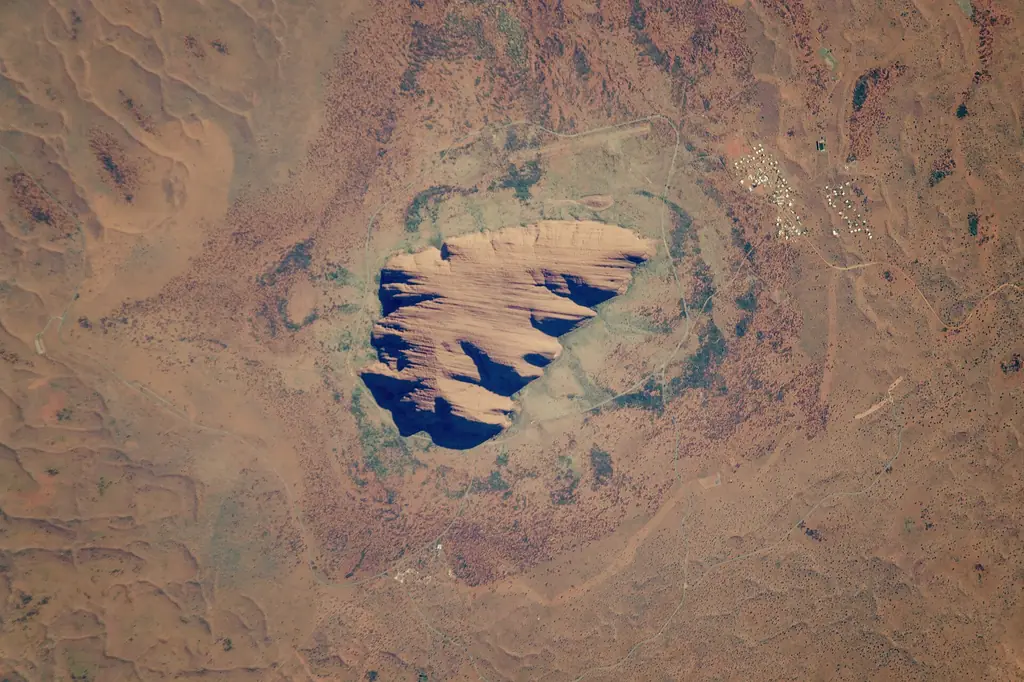
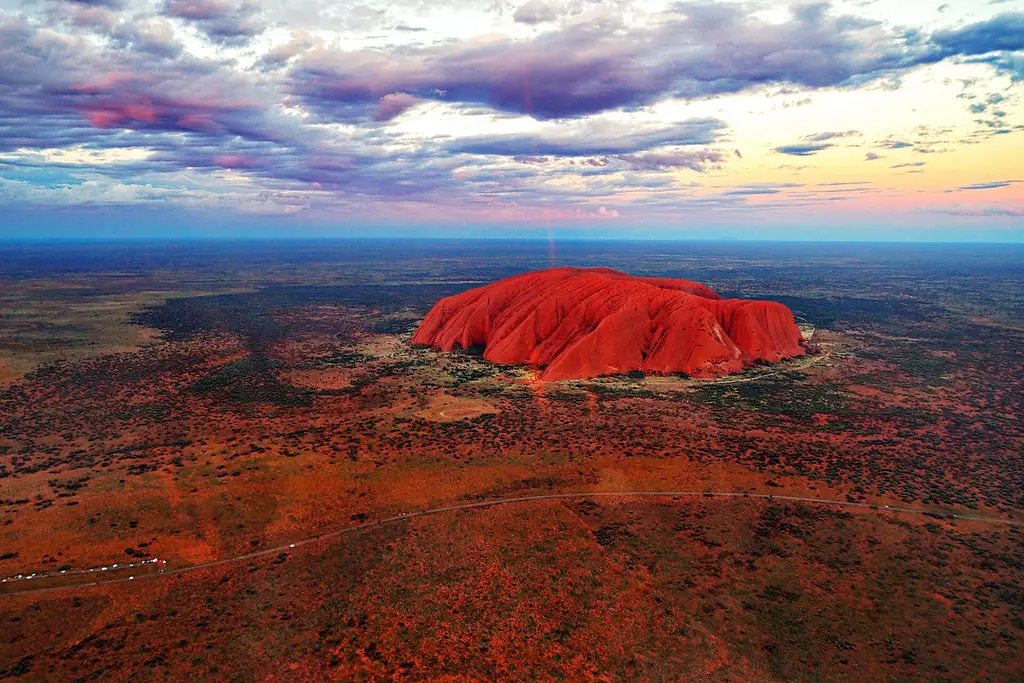
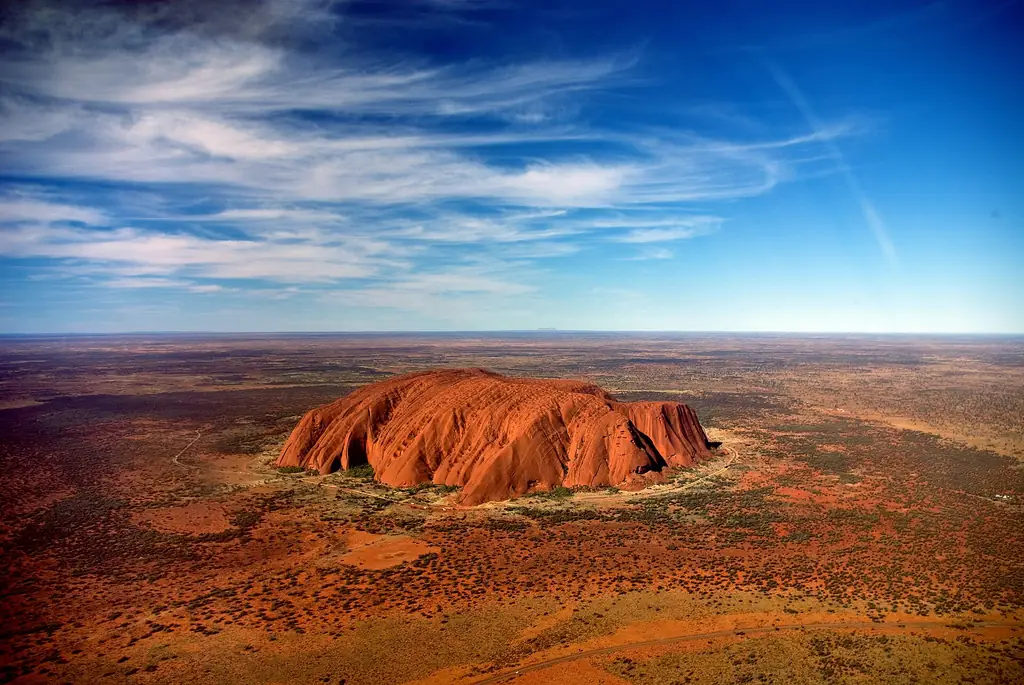
Over hundreds of millions of years, softer surrounding rock wore away, leaving the hard arkose standing above the plain. Uluru is only the visible tip of a much larger rock body that extends well below the surface.
Why is Uluru red?
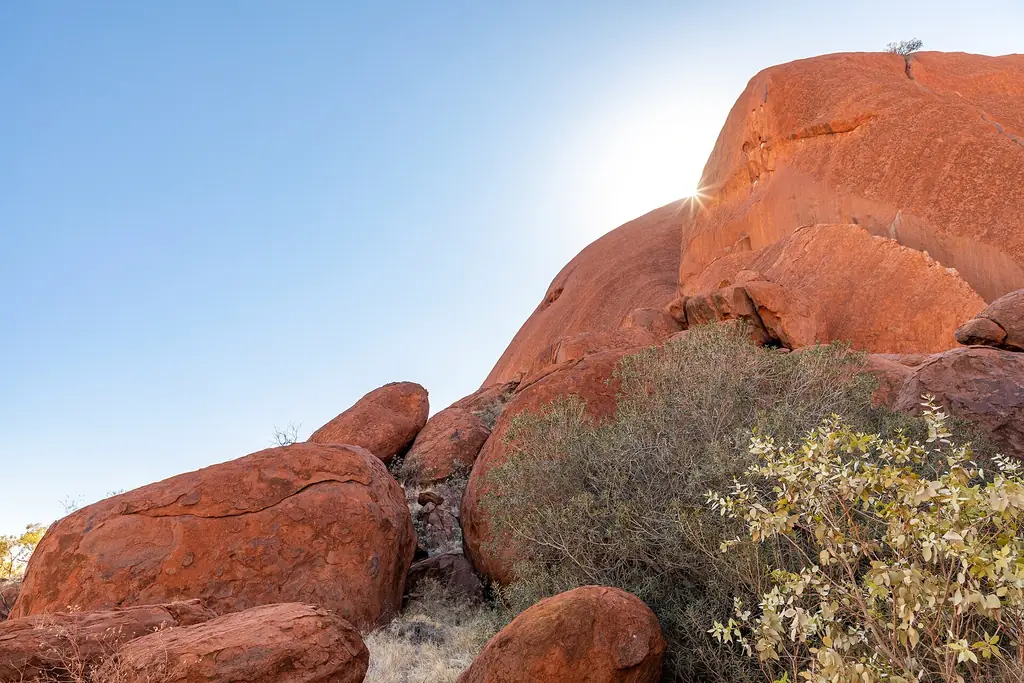
Arkose is naturally grey. The red colour comes from iron-bearing minerals in the surface rock oxidising — essentially rusting. Freshly broken surfaces in caves can appear grey.
See it for yourself
Walk part of the base walk to see the layering, caves and waterholes up close, and compare with the conglomerate at Kata Tjuta.
Frequently asked questions
What type of rock is Uluru?
Arkose, a coarse sandstone rich in feldspar.
How old is Uluru?
The sediments that form Uluru were laid down around 550 million years ago.
Why is Uluru red?
Iron minerals in the surface layer have oxidised, giving a rusty red colour.
Is Uluru a single rock?
It is a single rock body, much of which lies below the ground.